Saturday, October 9, 2010

Meditate with brainwave entrainment - unlock your potential


As always, technology continue to grow and for a spell now technology and biology have come closer together. Brainwave entrainment is one of the topics which largely underlines this may. This is a science that literally started is, a person to a remote device by means of their brainwaves, alone to control to activate. Hardware already exists, a computers, perhaps controlled with the power of thought. Founded on a similar technology, Brainwave entrainment, the person takes a different approach; in contrast to the person influenced influence on the technology.

While the technology is not completely new, it has grown especially few years traction exponentially in the last in the field of entrainment of called binaural beats.

Use an EEG, brain waves see, how and when you change.Once you start with brainwave entrainment, you will immediately see like it your brainwaves auswirkt.Nicht only that, but tells you how any change in brainwave frequency assigned specific feelings, this is the beginning of the path to control your individual brain waves for you. Just think of all the possibilities

There are many unique States the psyche and consciousness we enter can, and can all of these through the employment of specific brainwave frequencies induced it looks a very obvious question then, wondering why some entrainment companies do not have a wider range of productions. However, is much in this area a lot of it press the forward technology in leaps and bounds is done. Much is as transparent Corporation for your continuous and consistent research and scientific development owe the most valuable brainwave entrainment.

Brainwave entrainment is beginning to have a convincing effect on various topics such as meditation, therapy and individual Entwicklung.Traditionell meditation serves a range of purposes within an individual life style. Now brainwave entrainment meditation opens to a quite unique section of the population and allows you to use many other features. For example, is the technology in therapy, which also regularly used in Hypnotherapy and in the Psychiatry ways.Furthermore, it is individuals from every last walk of life grant admission for unprecedented experience.

The manufacturer ranges lead a glance production brainwave entrainment all sorts of experiences that can be used, including lucid dreaming, expresses the body experiences, transcendental meditation, trance, visions and hallucinations and dozens others are such things.Consider the potential benefits of being able to unlock the size of your psyche and consciousness.Brainwave entrainment requires no obligation, and is one of the easiest things in the world to try - literally as simple as music hear. so why around sit on the sidelines when you consider that this may be all doesn't make sense? brainwave entrainment will make before long your way into a wider, more mainstream market, and now companies consider as the technology in their product lines to mischen.Betrachten a future where your household appliances on your individualized thoughts can be controlled! long reality was formerly in the science fiction will previously werden.nutzen was the opportunity and discover the technology before it is everywhere.


A free sample and to discover more about Brainwave Entrainment


Read more »

Friday, September 24, 2010

Brainwave Entrainment and Meditation

Lord MahaveerImage via WikipediaAbout meditation, there are so many writings about. However, regarding brainwave entrainment, few readings have been written to be aware of. Indeed, most people probably never even heard about the term "brainwave entrainment". In this article, I hope to divulge how meditation and brainwave entrainment can work together to achieve the same objective. I also point expose that brainwaveentrainment can be used as a time-saving method to meditation.

Defining Meditation

Although there are various definitions for meditation one of my favorite definitions is the quietness of mind, letting go of tempestuous and distracting thoughts and emotions, and for a time remaining focused internally. People who are intellectually inclined use meditation to clear their mind and to focus on just one thought, perhaps one about problem solving, or playing with a new idea. Those who are spiritually inclined use meditation for calming their mind, so they can focus all their energy and aspiration on the divine within. However, we are barely scratching the surface in defining meditation in such simple terms.

Meditation and Brainwaves

Scientifically speaking what meditation do is to alter our brainwaves. Different brainwave states are associated with distinct benefits and experiences. For example, when your mind is racing, stressed, unable to relax or be still, perhaps caught in emotional turmoil, arguing, hating, bitter, screaming, or confused, racing zillion miles a second, etc., you are probably plugged into a brainwave state at the beta or even gamma levels. Most of us live in our waking day to day lives at the beta level Even if we are generally a calm person we can still be at a beta level if we are unable to intellectually relax or take a mental break. If we feel we always need to be preoccupied with something we are probably living too much at the beta live, and in the long run this can potentially cause premature aging, stress, health problems, emotional issues, and so on. Healthy beta is okay. However, our brain can be too beta wired, which is not good.

Meditation assists to train the brain to be more synchronized and balanced. Sessions of regular meditation exercise help bring the brain from a gamma or beta level to a more relaxed alpha level, or even deeper to a theta level, and eventually in very deep, intense meditation you can reach the delta level. Delta is a very life-giving, rejuvenating state of mind, but few reach it often enough, not even when they sleep.

Following is a brief description of the beta, alpha, theta, and delta brainwave states:

Beta waves (13 to 40 Hz )

Beta is identified with active, busy or anxious thinking and active concentration.

Alpha waves (8 to 12 Hz )

When we begin to relax or begin to get drowsy, but are still awake and conscious, when we are day dreaming, we are at the alpha level.

Theta waves (4 to 8 Hz)

When we are asleep and have dreams, and experience rapid eye movement (REM), and have hallucinations, and even when we experience deep meditation, we are at the theta level. When we lucid dream (this is when you are conscious while you are dreaming) we are at the theta level.

Delta waves (0 to 4 Hz)

Delta waves are usually associated with deep, slow brain activity found in deep sleep. Delta waves are experienced predominantly in newborn infants, as well as in healthy adults in deep rejuvenating sleep, or in very deep states of brain enhancing, emotional cleansing, bodily renewing meditation.

The Meditation and Sleep Difference

By now you are probably thinking to yourself: "What is the point in meditating since I enter the alpha, theta, and sometimes delta levels every time I sleep? If I sleep through six to eight hours a night then am I not receiving the same benefits I'dreceive if I were doing six to eight hours of meditation a day for my entire life?"

The main point here is a deep, dreamless sleep at the delta level. Most people don't sleep profoundly enough to get the benefits of the rejuvenation effects of delta waves. Nevertheless, if you take even only a "power nap" for an hour or two and enter in an extensive dreamless sleep at the delta level at that time, when you wake up and come out of it, there is a new sense of life, energy, awareness, well-being in you. In a profound rejuvenating meditation state, you enter that same level, except that you are awake instead on unconscious. When you can enter that rejuvenating state of consciousness while remaining fully aware then you can carry over that state of mind in your day to day life and become the essence of who you are deep in your inner most being. It takes practice and daily trips to that recondite place within.

In a nutshell, meditation is the fourth state of consciousness that is unique because it consists of high awareness with very low mental or physiological function. Meditation is an awareness of our inner spirit, as well as closeness to our spirit. Everyone comes equipped with the capacity for this type of meditative restful awareness. Alas few ever reach it during normal sleep. However, daily meditation can help you sleep become deeper.

When reaching deep delta levels during sleep we feel so much refreshed and renewed when we wake up. When we fall into profound sleep, the ego disappears as does all out mental programming and brainwashed mindset, we are nearer to our pristine innocence. The closer we are to "home" so to speak the more recharged and healthy we are in our day to day life.

This clearly proves that the secret of attaining freshness and peace lies within, not outside. The goal of meditation is to become aware while you are passing through dream and deep sleep states of your mind, and remaining conscious when you are in your spirit so to speak. And then the ultimate goal is the carrying over of that awareness into your day to day life, maintaining it by intuitive existence. This is when the entire life change takes place of which religious rules of conduct and morals and ethical llife are all but cheap imitations of something that is natural and spontaneous due to the actual experience of "seeing God" in the depths of one's being. However, that is another subject.

Brainwave Entrainment is the Shortcut To Meditation

The main significance of this article relates to a shortcut method toget to that deep interior state where the physical, mental, emotional and spiritual benefits of meditation naturally follow. This is where "brainwave entrainment" is used.

What Is Brainwave Entrainment?

Brainwave entrainment is a scientifically proven leading edge in mind/brain technique. Professionals in the areas of psychology, neurology, medical health and self-help are beginning to utilize the power of brainwave entrainment in their work with patients and clients. Advances in the effectiveness of brainwave entrainment have been significant and gaining terrain.

Wikipedia defines brainwave entrainment this way:

"Brainwave synchronization or "brainwave entrainment," is any practice that aims to cause brainwave frequency to fall into step with a periodic stimulus having a frequency corresponding to the intended brain-state (for example, to induce sleep). It depends upon a "frequency following" response, a naturally occurring phenomenon where the human brain has a tendency to change its dominant EEG frequency towards the frequency of a dominant external stimulus. Such a stimulus may be aural, as in the case of binaural beats, monaural beats, and isochronic tones, or else visual, as with a dream-machine, a combination of the two with a mind machine, or even electromagnetic radiation."

Over past centuries and even today many people use different methods in an attempt to enter a deep state of meditation. Some people use breathing techniques. Some use chanting, others use dance, instruments, music, devotional exercises and so much more. All of these are different methods used for basically entraining the brain and lowering the brainwave frequencies to a state of mind at the alpha, theta or delta levels.

Furthermore, used by some for entering in intense states of meditation are brainwave mp3's or cd's. It has been scientifically documented that periods of regular brainwave entrainment bymeans of listening to cd's or mp3's embedded  betas, monaural beats, or isochronic tones can lead to an increase in overall emotional calmness, relaxation, profound inner peace, intelligence, creativity, focus and mental clarity. Also, in improving memory, raising IQ and creating a rise in energy, and a reduction in stress levels. These are the same benefits one experiences during meditation.

All this info may sound complex in most cases. The fact is that you no more need to understand exactly how this process works. What you really need to know is that brainwave entrainment is highly effective and easily fits into your daily routine. Just 20 minutes to an hour per day listening to brainwave entrainment mp3's you begin to reap the benefits.

Enhanced by Zemanta
Read more »

Tuesday, May 4, 2010

Transparent Corp launches a new version of Neuro-Programmer

Transparent corp, a company specialized in brainwave entrainment products, has released a new version of its most popular product: Neuroprogrammer 3. This release adds an array of new and exciting features, making Neuro-rogrammer more powerful, usable and more effective than ever before. Among the new features are:


BioOptimization

BioOptimization uses biofeedback devices to increase the effectiveness of sessions. It does this by analyzing biofeedback data while you are using a session, and then optimizing the session based on your physiological response.

Currently, NP3 supports three biofeedback devices:
  • The IOM Device (comes with Healing Rhythms)
  • The LightStone Device (comes with Wild Divine)
  • ThoughtStream Device

New Layout

A slick new layout makes using Neuro-Programmer easier than ever before.


Reverberation / Echo Effects

Sound effects such as reverb and echo can now be applied to recordings and hypnosis script tracks.


Pitch / Tempo Change Effects

You can easily apply pitch and/or tempo effects to any sound. For example, this means you could easily alter the sound of your own voice.


Volume Normalization

NP3 automatically adjusts the volume of recordings and hypnosis scripts to a set level, eliminating the problems many users had with widely varying volume levels.


New Neural Stimulation Methods

NP3 adds new neural stimulation features, further increasing the effectiveness of the sessions and adding new possibilities for session creation.


Visual Plugins and Enhanced Screen Flashing

Beautiful visual plugins are now fully supported, adding an extra visual dimension to any session.

The screen flashing features and full-screen display capabilities have also been significantly improved.


All Sessions are Editable

All sessions can now be edited in the Ultimate version of NP3. At the click of a button you can view the protocol of any session and customize it to your preference.


Export to MP3 or OGG

Session and scripts can now be exported to MP3 or OGG, as well as the WAV format supported in previous versions. This makes it even easier to transfer NP sessions to your mp3 player or smart phone.

Now you can download the product and try for tourself

Read more »

Friday, March 5, 2010

Natural Remedies That Can Help Alleviate Symptoms of ADD

ADD stands for Attention Deficit Disorder and is a problem growing among children today. In fact, ADD is the type of hyperactivity disorder most commonly diagnosed behavior disorder in children, but it can also be found in adults. It is believed to afflict more than two million children. For treatment Ritalin and other similar stimulating drugs are often prescribed. However, studies indicate use of these drugs may have long-term side effects on the brain long after its effective use is over. Because of this, many parents seek out use of natural or homeopathic remedies for treatment. Use of non mainstream treatments is heavily debated and studies showing effectiveness are largely inconclusive.

Diet

Diet modification is reported to have lasting positive results on children suffering from ADD. The popularity of this theory was developed by Dr. Benjamin Feingold who claimed the increase in children diagnosed with ADD is directly related with the increase in artificial sweeteners and preservatives in food. Reducing the amount of these in the diet can produce the desired result. Sugar, artificial sweeteners, preservatives and caffeine can all contribute to undesired behavior evident in children with ADD. Reducing the amounts of these types of food items will be beneficial and help with overall health as they have little or no nutritional value.


Vitamins

The increase of alertness, typical in children suffering from ADD, has been reportes as a consequence of using vitamins such as B6, though no conclusive studies have been accepted. Zinc is also a popular vitamin used to assist in reducing the behavioral effects of ADD. Currently, using multivitamins to enhance the diet is reported to be the best option.


Herbal Remedies

Certain mixtures and wrong doses of herbs can cause harm. Therefore, a consultation with a homeopath for advice on which herbs to use before treatment is highly suggested. Use of Pycnogenol, an extract of pine tree bark, is claimed to improve the attention span; however studies have been inconclusive. Improvements in attention, blood flow to the brain, cognitive retention and stress relief are reported to be available in certain herbs such as ginkgo, ginseng, brahmi, green oats and gotu kola.


Audio Visual Stimulation

Cases of great success have been reported using audio video stimulation. A process called brainwave entrainment is used to alter patterns of brainwaves. This method is not yet widely popular but has reported significant successful treatments. It is an inexpensive treatment; however it is not covered by most insurance companies.

You can find an example of ADD based on brainwave entrainment here:

http://www.mentallion.com/binauralBeats.action#40600

Research all available treatment options for ADD before committing to one. Using various herbs and drugs can have a negative effect, so use with caution and under the supervision of a physician or homeopath. With the growing frequency of ADD diagnoses, finding effective cures is of utmost importance.
Read more »

Thursday, February 18, 2010

Entrain Your Brain With Stress Relief Sounds and Music

There is an ancient saying that tells "Music do soothe the savage beast". In fact, there is more truth to that adage than you might expect. Scientist, through extensive studies into the brain, have shown that some frequencies can be combined to create stress relief music. Utilizing this technology, digital music makers have created CDs and MP3 libraries of music designed to provide health benefits including stress relief, improved sleep habits, and mental focus.

The science behind the design of these digital stress relievers is the called binaural beats.

What are binaural beats?

Through experiments in audio stimulation have found that when two different sounds of similar frequencies are sent one to each ear, the brain initiates a process called entrainment.

Entrainment is a phenomenon that occurs when the brain automatically react to the two different frequencies being piped in, filtering out the difference between the two frequencies to create a new differential frequency or "beat".

Practically speaking, if you play a pitch of 250 cycles per second frequency (hertz) in one ear and a pitch of a 265 cycles per second frequency in the other, each tone will be processed by both the left and right hemispheres of the brain. The brain reacts over time by creating a "phantom" frequency in an attempt to "smooth" out the difference between the 2 tones. This resultant frequency of 15 cycles per second is the binaural beat that the brain will produce to match this frequency.

Brainwave ranges can determine the focus, mood, and level of relaxation.

Brainwaves are typical electromagnetic activity. Therefore, this activity can be measured, as any other type of current, in increments of cycles per second. Extensive experimentation has established ranges scientists commonly use to define particular states of mind. When our brain waves, or electrical impulses, are being generated in these ranges, particular behaviors can be observed.

The wave range our brain exhibits in our normal day-to-day activities is called Beta. The Beta range occurs in the 15 cycles per second and up range. There is little deliberate organization in the mind in this state, and it is typically just running from one thought to the next. In daily life, this is the brain wave range that supports our multitasking oriented lifestyle.

The next level down is Alpha. Alpha waves are associated with a state of mind generally related to as alert relaxation. The Alpha range is 8-14 cycles per second. This state is commonly exhibited in the minutes just before we wake or just before we fall asleep. It is also the pattern our brain exhibits when we are daydreaming or "dozing off".

As we move down the brain wave range the next classification is the Theta range. Theta, occurring at the 4-7 cycles per second range, is the brain wave level associated with dream activity, deep meditation, and REM sleep.

The bottom of the known spectrum is the Delta range, which occurs at brain wave rates less than 4 cycles per second. It is usually associated with deep, dreamlike sleep and body healing and rejuvenation.

Through the use of designed sound combinations, desired binaural beats can be generated in our brains, placing us in a specific mental state. In addition to lowering the raising brainwave frequency to relax or excite the listener, there are other more controversial, alleged uses for binaural beats. For example, it has been postulated that by using specific frequencies, an individual can stimulate certain glands to produce desired hormones. As an example, experiments have demonstrated that endorphins, commonly produced in the "runner's high" state of mind, can be generated by using specific combinations of binaural beats.

In other experimental uses, there are studies that show that the requirements of learning time and sleep can be reduced by stimulating adult's brains with a program of theta waves inducing music. Theta waves are thought to improve learning because children, who usually learn new concepts faster than adults, exhibit stronger theta wave patterns and typically maintain the healthy theta wave state for longer periods than their elders.

Therapists now use binaural beats routinely to help people to reduce stress and improve mental lucidity and focus. Entrainment programs are also utilized to assist cancer patients deal with the effects of chemotherapy and other treatments. Binaural beats can also be used for meditation, self-hypnosis and to potentially alter selected behavioral patterns, including smoking and over-eating.

As the science around binaural beats advances, new uses are being discovered and more people are developing binaural beat recordings to achieve specific results. The potential benefits of the healing and rejuvenating powers of binaural beats include weight loss programming, attention deficit disorder therapies, and stress management applications. The benefits are just being tapped and the progress is very encouraging for the future of emotional and physical therapy.

Don't be surprised if you hear more and more about the medical profession embracing therapies involving the use of stress relief music and other binaural beat relaxation applications. Many people are taking advantage of these advances through the use of custom audio programs designed to induce a desired state of mind, to train the brain to better handle stress and anxiety, or to help the body heal and re-energize itself.

If you want to try binaural beats sounds and music for stress relieve purposes follow the this link:

http://www.mentallion.com/search.action?keyword=stress

Read more »

Monday, February 8, 2010

Mind Stereo media player: Embed brainwave entrainment into your music


Mind Stereo media player

Mind Stereo is much like any other media player (Windows Media Player, iTunes, etc.) – but with one distinct feature. It comes with brainwave entrainment embedded into the mix. Mind Stereo is much to any of the media players available today but what sets it apart is some amazing bonus features. Furthermore, to the usual media player "things" like a playlist and an equalizer support for reverb, echo and other effects Mind Stereo injects Brain Entrainment into the music mix. Brain Entrainment is used to create specific mental states and either give you added energy or increased relaxation.


Mind Stereo media player


You can have not only sound but also visualizations as well. Here a summary of the features:

  • Sound modulation, effects and filters

  • Binaural beats & and other tone-based entrainment

  • Flash integration into visual plugins

  • AudioStrobe (for use with compatible LED glasses)

Therefore, you can take your current sound library of mp3s and transform them into brain entraining sound and visualizations. You can listen actively or use Mind Stereo passively in the background while working to boost your creativity, increase your mind power and much more.


For more information visit Transparent Corp.

Read more »

Thursday, January 14, 2010

Help for Haiti

On Tuesday, a catastrophic earthquake struck near Port-au-Prince, Haiti. The full extent of the damage is still being assessed, but the death toll -- already in the thousands -- is climbing fast.

This is the worst earthquake to hit the area in more than 200 years. Entire communities have been ripped apart and as many as 3 million people have been directly affected, including tens of thousands of American citizens who are in Haiti.

Our neighbors in Haiti are racing to confront the enormous devastation -- and the OFA community can help.

Click here for more information about essential relief efforts and ways you can help today.

Footage is pouring in of homes collapsing, Haitians carrying injured family members, and hospitals being overrun in what was already the poorest nation in the Western Hemisphere.

I have directed my administration to respond with a swift, coordinated, and aggressive effort to save lives. Personnel from the United States and our partners in the international community are on the ground in damaged areas right now, working side by side with the Haitian people. They're providing much-needed food, water, and sanitation supplies, saving lives and helping local communities start to rebuild.

Despite the fact that we are experiencing tough times here at home, I encourage those who can to reach out and help. It's in times like these that we must show the kind of compassion and humanity that has defined the best of our national character for generations.

Click here to find out what you can do:

http://my.barackobama.com/Haiti

As this story continues to unfold, I hope you will continue to keep the people of Haiti in your thoughts and prayers, as well as the many Haitian-Americans who have done so much to enrich our country and who are worried about friends and loved ones in this time of need.

Thank you,

President Barack Obama
Read more »

Friday, December 25, 2009

Brainwave entrainment and the natural production of hormones

Recently, scientists have discovered that certain brainwave frequencies help the brain to release naturally a number of highly beneficial substances, including (HGH) or the human growth hormone. As we become older, the brain creates lesser quantities of these hormones and as consequence we can develop many ageing symptoms and diseases. Therefore, By entrain the brain with these frequencies our health can be improved.

Recent research made by Dr. Vincent Giampapa, M.D., an eminent anti-aging researcher and former president of the American Board of Anti-Aging Medicine, discovered that periodical deep meditation dramatically affects production of three important hormones related to increased longevity, stress, and general well-being: cortisol, DHEA, and melatonin.

He found that low brainwaves such as Alpha and Theta help the brain to produce DHEA and melatonin significantly. One study noted an increment in DHEA of as much as 44%. Some even had a DHEA augmentation of up to 90%. Melatonin increases were even more astounding, with average increases of 98% recorded. Many participants even had increments of up to 300%.

By contrast, cortisol levels decreased by an average of 47%. Certainly, not all study participants obtained the same results, but around of 70% of the study participants achieved the above improvements. As you should know, cortisol is the main age-accelerating hormone.


Cortisol

Produced naturally by the adrenal glands, cortisol is a hormone that increases blood sugar, blood pressure, and reduces immune responses. That is the reason Dr. Giampapa say that cortisol is the principal age-accelerating hormone. This hormone interferes with learning and memory and is, in general, bad news for your health and your well-being.

For the reasons exposed above, cortisol is known as the "stress hormone" because it is involved in the response to stress and anxiety. The more of it you have, the more stressed you feel, and the more vulnerable to disease you are and the faster you get older.


DHEA

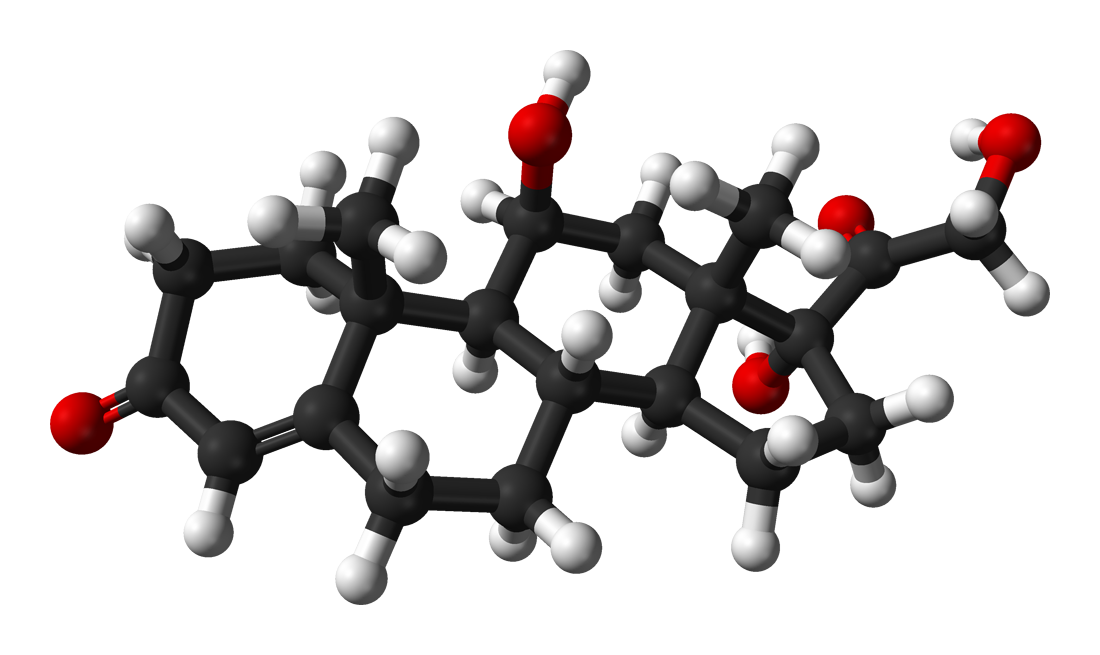
The DHEA hormone is also produced by our adrenal glands. DHEA is the precursor, or source ingredient, of virtually every hormone that your body needs.

DHEA level is a key determinant of our physiological age and strength to disease. When levels are low, we are more susceptible to accelerated aging and disease; when they're high, our body is at its peak, healthy, and able to face diseases successfully.

Thus, DHEA acts as a snubber against hormones related with stress (such as cortisol). For that reason DHEA is important, because as you get older and make less DHEA you become more susceptible to stress and disease.

A research published in the New England Journal of Medicine (December 11, 1986) found that a 100 microgram per deciliter increase in DHEA blood levels corresponded with a 48% reduction in mortality due to cardiovascular disorders and a 36% reduction in mortality for any other reason.


Melatonin

Melatonin, produced by the pineal gland, is a hormone that helps to create restful sleep. The incapacity to sleep deeply can dramatically decrease the quality of your life and to a great degree speed up the aging process. The production of this important hormone rapidly declines with age. Recent research also reveals that Melatonin is a powerful antioxidant.

Biological implications of reduced melatonin:

Melatonin is a neurohormone whose production is minimum during the day and maximum at night. It passes through cell membranes and acts as a highly potent antioxidant to sweep away free radicals that cause damage to DNA, Reiter (1995).

Therefore, a reduction in melatonin is related with diseases produced by free radicals such as cancer, aging, neurological diseases, grave heart disease and even heart attack, Reiter and Robinson (1995). This reduction also can alter blood pressure and heart rate, as well as, the neurological, cardiopulmonary and reproductive functions.

These studies suggest that reduced melatonin will also diminish the strength of the immune system and increase the risk of cardiac, neurological, and carcinogenic disease, and even death, because the lack of antioxidant activity.

The relationship of melatonin reduction and its effect on health

Reiter and Robinson (1995) and Brzezinski (1997) reviewed the clinical studies involved with melatonin reduction. Dr Brzezinski identified roles for melatonin in sleep and circadian rhythm, mood, sexual performance, reproduction, cancer, immune system response, and aging.

Dr. Russell Reiter, an eminent melatonin researcher, is the founder and chief editor of the Journal of Pineal Research. Reiter and Robinson confirmed all of the effects identified by Brzezinski, and added arthritis, asthma, diabetes, hypertension, blood clotting and stroke, cardiac arrhythmia, ischemic heart disease, heart attack, epilepsy, manic depression, suicide, sudden infant death syndrome (SIDS), Alzheimer's and Parkinson's Diseases to the sequel of the lack of melatonin.

Many published papers can be cited to justify each of these effects on health. Most of the 21 associated conditions are related to the oxidizing damage of free radicals and the multiple roles of melatonin as potent antioxidant, sleep enhancer and immune system booster.


Serotonin

The serotonin hormone has various functions, including the regulation of mood, appetite, sleep, muscle contraction, and some cognitive functions including memory and learning.

Theta and delta brainwaves meditation increases the production of serotonin which is a calming neurotransmitter in the brain.

Human Growth Hormone

The human growth hormone (HGH) is a natural hormone found in our bodies that stimulates growth and cell reproduction and regeneration in humans and other animals. HGH is usually used clinically to treat children's growth disorders and adult growth hormone deficiency. In recent years, replacement therapies with human growth hormones (HGH) have become popular against aging and weight management. Reported effects include decreased body fat, increased muscle mass, increased bone density, increased energy levels, improved skin tone and texture, increased sexual function and improved immune system function.

After our adolescent years our bodies produce less levels of HGH. This leads to increase body fat, decrease immunity, impoverish skin tone, decrease libido, and other symptoms usually associated with aging.

You can achieve naturally some increase in HGH by exercising, improving diet habits, and reducing body weight to optimum levels.

In the market you can find treatments with pure HGH injected to raise HGH levels but these treatments are extremely expensive. Most of the supplements on the market today contain very low levels of HGH (to keep the price low) too low to have any real, lasting effect.

Recent research indicates that the best way to elevate HGH levels is to stimulate the body to produce more HGH. Preferably to introduce more HGH into the body, you can stimulate your own pituitary gland to produce more HGH.

But how can you stimulate your own pituitary gland?

The answer is with brainwave entrainment. It was originally believed that older pituitary glands didn’t have the capacity to produce large amounts of HGH. However, recent studies have shown that aging pituitary glands are capable of producing as much HGH as young pituitary glands, if it is adequately stimulated.

HGH stimulation with brainwave entrainment is a sound frequency product which has been scientifically proven to stimulate the Pituitary gland and generate a measurable increase in human growth hormone.

In fact, the effects of HGH increase are dramatic: greater muscle tone, stronger bones, less fat, increased brain function and younger-looking, tighter skin. HGH is one of the reasons kids have endless energy. Their pituitary glands are full of this hormone.

Now you know you can produce HGH and many other healing hormones, naturally and safely with a daily brainwave entrainment session.

In Mentallion.com you can two excellent links to try these brainwave entrainment sessions:
Healing / growth / rejuvenation session
Pure theta brainwave session
Self hypnosis with theta waves
Read more »

Tuesday, December 1, 2009

Four tools to build your own brainwave entrainment therapies

Our brain emits natural electrical frequencies under the 30hz. A electrical frequency represents a type of mental state. Scientists have classified four main mental according a range of frequencies: They are:


Mental states

Name

Frequency

State

Play

Gamma

40 Hz +

High alert


Beta

14 - 40 Hz

Normal alert


Alpha

8 - 14 Hz

Light relax


Theta

3 - 8 Hz

Deep relax, meditation


Delta

0.1 - 3 Hz

Deep sleep


Courtesy from mentallion.com


However, can I modify my mental state to my will?

The answer is yes, what we need is a stimuli, visual or sonorous, to increase or reduce our brain activity. For example if you are awake in the job, you will be in the Beta state. If you receive a stimuli of 10hz you will be more relaxed. This state corresponds to the alpha state. The techonolgy is brainwave entrainment.


How can I build my own brainwave entrainment session?

Here I will show 4 tools to build brainwave entrainment sessions.


Ginaural

This software is free and it has been used extensively in scientific research. It comes in versions for Windows, Linux and Mac OS X. In addition, this software allow to share in a P2P way your created audios.

The program comes with one example session but you can download more examples in the example files section.


Brain Wave Generator

This software is freeware. It requires monthly registration to keep working. It is easy to use and comes with example sesions for several purposes. You can create also your own sessions.

In addition the software owners support a site where you can download examples not only from the develpers but also from the users that send their own creations, such as astral proyections, neurosis and anything you can imagine.

Links:

Download bwgen

Download background sounds

Examples library


I-Doser

The program is free but the therapies (doses) are priced. I-doser goes far and offer us experiences more psychedelic such as Acid, Opious and petoye. Each dosis cost around 5 dollars. The program comes with 2 sample dosis but you cannot make your own.


Download I-Doser

Go to I-Doser store


Neuro-Programmer 2

This proram is an excelent piece of software, nice interface amd many examples and options to develop your own therapies. The program only support WAV generation but you can conv ert them with a MP3 converter such as FreeRIP.

Other nice characteristic is the availability of background sounds such as cascades, rains, storms, etc.

Download Neuro-programmer 2

Read more »

Sunday, November 1, 2009

The Big Question: Is depression increasing, and what is the best way to treat it?

October 29, 2009

The Big Question: Is depression increasing, and what is the best way to treat it?

By Jeremy Laurance, Health Editor


Why are we asking this now?

The National Institute for Clinical Excellence (Nice) yesterday published updated guidelines on the treatment of depression calling for extra focus on talking therapy, especially cognitive behaviour therapy, for depression and less focus on drugs. It also warned GPs to be more alert to depression in people with chronic health problems, amongst whom the condition is three times more common than in the general population.

Have anti-depressant prescriptions increased?

Yes, spectacularly. Prescriptions have more than doubled since the mid-1990s to over 36 million a year, leading to allegations that Britain has become a pill popping nation, addicted to "happiness" drugs. An estimated 3.5 million people take the drugs, collectively known as selective serotonin reuptake inhibitors (SSRIs), which include Prozac and Seroxat.

Their popularity soared after they were launched in the late 1980s, heavily promoted by drug companies as safer and having fewer side-effects than the older tricyclic antidepressants. The publication in 1994 of Listening To Prozac by Peter Kramer, in which he suggested anyone with too little "joy juice" might give themselves a dose of the "mood brightener" Prozac, lifted sales into the stratosphere.

Is that because more people are depressed?

Apparently not. The number of patients newly diagnosed with depression by GPs in the UK in the 11 years from 1993 to 2004 declined by 25 per cent, according to researchers at Southampton University. They based their calculation, published last week in the British Medical Journal, on results from 170 GP practices which showed the incidence among men declined from 7.83 to 5.97 cases per 1,000 patient years. Among women, who suffer more depression than men, the incidence declined from 15.83 cases to 10.06 per 1,000 patient years.

So why the rise in anti-depressants?

People are taking them for longer, according to the Southampton researchers. They found the average number of prescriptions issued per patient doubled from 2.8 in 1993 to 5.6 in 2004. The majority were given as long-term treatment or intermittently to patients with repeated episodes of depression. The researchers found 90 per cent of patients prescribed drugs for depression are now taking them continuously or as repeated courses over several years.

What is depression?

Loss of pleasure in things that were once enjoyable and in other people and your usual activities. Often accompanied by irritability, tiredness, feelings of worthlessness and thoughts of suicide, problems with sleep, concentration and memory. It affects nearly one in six people in the UK at some point in their life, according to Nice, and half of those affected will go on to have further episodes.

Should fewer people be on anti-depressants?

Not necessarily. Depression can be a serious illness which destroys a person's quality of life and imposes a huge burden on them, their families and society. It causes more deaths, by suicide, than any other psychiatric disorder. In severe cases drugs can be life-saving. In moderate cases, too, drugs can transform a person's outlook so that they are able to make changes to their life necessary to escape from depression, which seemed impossible while they were depressed. Depression has historically been under-treated and in the 1980s, the Royal College of Psychiatrists launched a campaign which ran for a decade to increase the numbers in treatment.

Should more people be taking anti-depressants?

Yes and no. There are many people who suffer with depression, sometimes for years, before seeking treatment, who would be better off on the pills. On the other hand, there are many with mild depression who are popping pills when talking therapy might have been a more effective way of dealing with their difficulties. In some GP practices in south Wales, for example, as many as one in 10 of the adult population are taking anti-depressants. This is medicalising social problems on a mass scale.

Is depression neglected?

Yes, because of the associated stigma. There was a comic acknowledgement of this - comic, if it weren't tragic - when No 10 last week ordered a change to a headline on its website that read "Battle to stop depression is being won - PM". No 10 officials, who were allegedly aghast when they saw it, ordered the immediate substitution of "downturn" for depression.

This reflected the extraordinary sensitivity over questions about the PM's state of mind - as controversially put by BBC presenter Andrew Marr two weeks ago - as compared with questions about his physical health (No 10 was happy to reveal Gordon Brown had received attention for a retinal tear to his eye). The episode highlights one of the biggest challenges faced by people with mental problems such as depression - coping with the stigma. If you break your leg, you have a problem with your leg. If you have depression there is a problem with you.

Do anti-depressants work?

Yes, according to most psychiatrists. Research suggests 70 per cent of people treated with anti-depressant drugs feel better as a result. But a controversial paper published last year questioned this view. Meta-analysis of 47 trials of six of the best known anti-depressant drugs, including some trials that were unpublished, concluded the drugs were no better than placebo in the vast majority of patients. Only in a very small group of the most extremely depressed were the drugs more effective than placebo. The findings by Professor Irving Hirsch of the University of Hull, published in the online journal Public Library of Science (PLoS) Medicine have been challenged by a number of researchers.

How should you treat it?

A couple of decades ago the advice to those who were depressed and out of work was to get "on yer bike". Today it is as likely to be to get on the couch. Cognitive behaviour therapy (CBT), in which patients are taught to break habitual ways of seeing things and to think positively, has revolutionised the way doctors approach the treatment of depression. Whereas in the past GPs might have prescribed Prozac or other anti-depressants, CBT is now the treatment of first choice - where it is available - for the millions who turn up complaining they cannot cope.

What does Nice recommend?

Nice says exercise combined with cognitive behaviour therapy (CBT) should be the first line of treatment for mild to moderate depression. Regular exercise is a good way of beating the blues and CBT is established as the most effective of the talking treatments. Many doctors worry that drugs create a dependency culture. The Nice guidance is aimed at helping people to develop the skills to overcome their depression. For people with moderate or severe depression, it says anti-depressants should be combined with CBT for the best results. In people who are severely depressed, drug treatment may be necessary initially to lift their mood sufficiently for them to respond to the CBT.

Should more people be prescribed drugs for depression?

Yes...

* Depression can be a serious illness that causes more deaths than any other psychiatric disorder

* Anti-depressants are effective at lifting mood in 70 per cent of those who take them

* Many people suffer for years with depression before seeking help because of the stigma

No...

* Prescribing drugs creates dependency without helping people to solve their problems

* In some parts of the country, prescribing is so widespread it amounts to mass medication

* Cognitive behaviour therapy is established as an effective treatment for depression

Source: The Independent
Read more »